
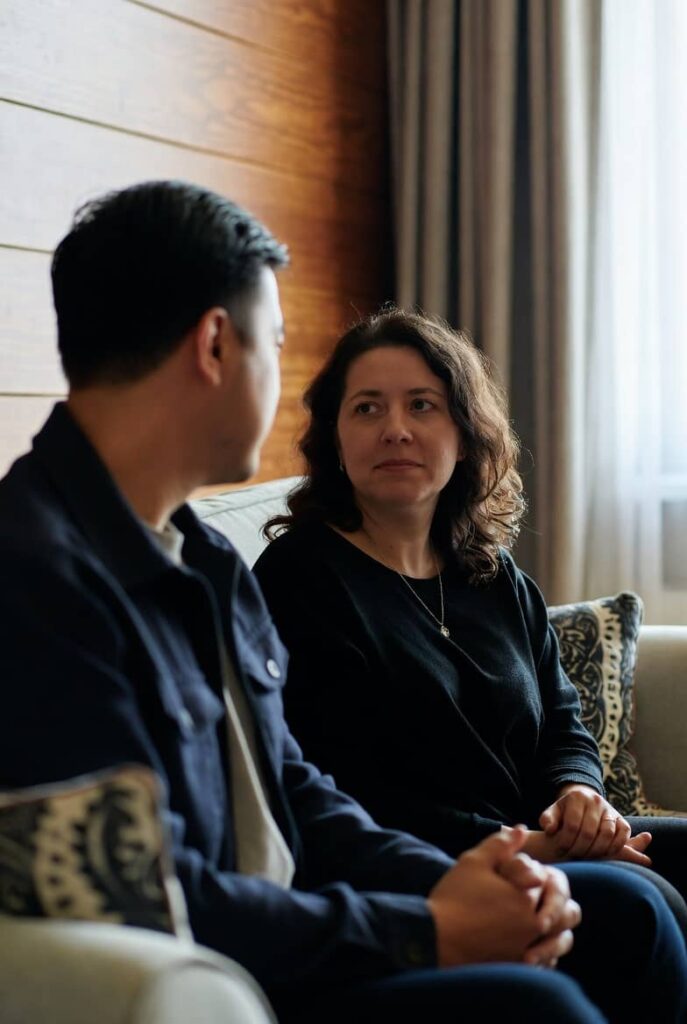
Learning that your spouse has cheated will be one of the most painful things you’ll ever face in life. Whether you were the one who was betrayed, the one who strayed, or the couple that wants to make things work despite a betrayal, the emotional fallout can be catastrophic. The shock, fury, sorrow and confusion can make you doubt your sanity and everything else that makes you who are you.
But it’s true: We can heal. Many people (and even some couples) find that both partners can create a stronger, more honest relationship after the trauma of infidelity, whether they rebuild their bond or not. Professional counselling offers a safe, confidential environment in which you can express all these unpleasant feelings, come to gain some explanation of what took place and make up your mind the way forward that you want to take.
At our Hampstead practice, we have seen many clients move through the experience of betrayal under the empathy and skilful guidance of an experienced therapist.
There are many possible forms for an affair, and each brings its own specific challenges. What happened is sometimes the beginning of healing. But, of course, knowing alone doesn’t take away the hurt.
Emotional cheating means to create a deep emotional bond with someone, other than big bird from your committed or loving relations. There may not be actual adultery, but the secret and emotional involvement can feel just as brutal to a spouse who finds out what’s been going on. There is much debate over whether an emotional affair should be considered cheating, which can make a confusing situation even murkier.
Physical infidelity means you’ve been sexually intimate with someone other than your spouse. This could go from the one-night stand to the months- or years-long affair. Most romantic affairs include emotional as well as physical intimacy at one degree or another, and so they usually form a second relationship that can be extremely harmful to the primary relationship.
The digital era has opened new possibilities for connection, but it’s also created both new and easier means of infidelity. Digital cheating may include but is not limited to flirting with someone online, being explicit messaging or sending and receiving images between two people through place such as social media or a dating app. In contrast, an office affair tends to develop slowly with close daily contact, shared challenges and time for private conversations that a spouse may not hear.
The discovery of adultery induces a mourn- ing process, similar to that experienced upon losing a loved one. You may be grieving the relationship you believed you had, the future you anticipated and your sense of security in the world. And that is totally fine, even though your feelings may feel so intense to scare you.
Some common reactions when one partner discovers infidelity include: recurring thoughts about what happened; difficulty sleeping or eating; anxiety about the future; anger that seems to come out of nowhere; sadness that feels like it comes from the bottomless pit of despair, and an inability to concentrate at work or at home. Some describe feeling numb or disconnected, others physical symptoms such as nausea or chest tightness.
If you were the one who strayed, perhaps your emotions are filled with guilt and shame, confusion as to how acts of varying degrees took over your being, fear that’s screaming inside about losing the mate or family that has been so good for you. Those feelings are also normal and should be addressed with professional help.

Professional therapy offers something that friends and family members, however determined to help, often cannot: a neutral space where all feelings may be expressed without judgment. Our therapists are themselves skilled to enable you process trauma, recognize patterns in relationships and makes sound decisions about your future.
If you were the one cheated on, or if you were the guilty party, individual therapy gives you space to process your own experience. You might consider how the affair has challenged your sense of self-worth, what it will take for you to feel safe again, and why you made choices that caused someone else pain.
Individual therapy can be useful when emotions are too raw for the couple to have productive conversations, if the question of whether to stay is still undecided or if the affair has triggered memories of other similar traumas or abandonments.
Couples psychotherapy: For those who decide to try to heal from betrayal together, couples counselling provides a structured journey. This usually means that there are honest discussions about what happened, context is understood but behaviour doesn’t get excused, trust is re-built over a period of time through consistent actions, communication patters improve, and underlying relationship issues that may have left people vulnerable for something like this to happen in the first place are addressed.
Recovering from an affair is seldom fast or straightforward. Most couples will benefit from six months to a year or two years of consistent work, depending on the statistics and how robust they are. A good therapist can help you navigate these difficult conversations and make it easier for you to see progress (even when that progress feels slow).
The first session will be about getting to know you and why you’d like to try therapy. Your therapist will inquire about the affair, how it’s affected your well-being and history of relationships. Everything you share is confidential.
In your sessions to follow, you might delve into the underlying patterns that led you toward an affair, you’ll learn techniques for managing all these difficult emotions; rehearse new ways of talking with one another; process specific incidents that are still causing the most pain; and develop a picture of what your future might look like, either together or apart.
Our Hampstead therapists employ evidence-based methods such as integrative therapy, which combines several therapeutic modalities to best suit you. A number of our staff have additional training in couple work and trauma-informed practice.
Finding Support in North West London There are various organizations that is available around the North West London area to help support sufferers of an eating disorder.
The decision to seek help after an affair is a brave one. Shame or fear of being judged keeps many people from seeking out the help they need in a timely manner. At Mandi Simons Counselling and Psychotherapy, we know these issues are delicate. At our Hampstead practice we provide a private, confidential space where you can be heard.
We work with customers across North West London, from West Hampstead and Belsize Park through to Highgate, Golders Green, East Finchley, Muswell Hill and Crouch End. If you don’t want to make the trip, we provide therapy online as well by giving you access to the same great care from your home.

Yes, many relationships not only survive but become stronger after working through betrayal with professional support. Success depends on both partners’ commitment to honest communication, the willingness to do difficult emotional work, and time. Research suggests that roughly 60 to 75 percent of couples who engage in therapy after infidelity stay together.
This is a deeply personal decision that depends on your specific circumstances. Many therapists believe that honesty creates the foundation for genuine intimacy, but the timing and manner of disclosure matter greatly. Speaking with a therapist before making this decision can help you think through the implications and prepare for different outcomes.
Most therapists suggest that meaningful recovery takes between one and two years of consistent effort. The first few months often focus on crisis management and emotional stabilisation. Deeper work on trust rebuilding and relationship patterns typically follows. Every couple moves at their own pace.
Often, a combination works best. Individual therapy helps you process your personal experience while couples therapy addresses the relationship itself. Your therapist can help you determine the right approach for your situation. Some people start with individual sessions before feeling ready to work together.
You can still benefit enormously from individual therapy, even if your partner will not participate. Individual counselling helps you process your emotions, gain clarity about what you want, and develop healthier patterns regardless of what your partner chooses to do.
Yes, everything you share with your therapist is strictly confidential. This applies to individual sessions and, with agreed boundaries, to couples work as well. Our therapists follow the ethical guidelines of professional bodies including BACP, ensuring your privacy is protected.

If you are struggling with the aftermath of an affair or betrayal, you do not have to face this alone. Whether you are hoping to save your relationship or need support as you consider separation, professional counselling can help you find your way forward.
At Mandi Simons Counselling and Psychotherapy in Hampstead, our team of qualified therapists offers a free initial consultation to discuss your situation and explore how we might help. We understand how difficult it is to reach out, and we are here to support you with compassion and expertise.
Contact us today to book your free consultation. WhatsApp on 07938 612004 or visit our website to learn more about our services. Your path to healing can begin with a single conversation.