
This year, Children’s Mental Health Week 2026 was during 9-15 February 2026
Naturally, like all parents, every parent wants their child to be happy and in good health. But when you see changes in your child’s behaviour, mood or how they interact with the world around them, it can be unsettling and worrying. You may be left wondering if what you’re seeing is just a normal part of growing up or something that should be professionally treated.
Mental health in children is as important as physical health, and yet often it’s more difficult to tell when something isn’t quite right. It’s also a psychological condition, unlike something you can see like a scraped knee or feel in terms of a temperature. Children might not have words to describe what they’re feeling and they may not even know that what they are experiencing is unusual.
The good news is that, with the right help, children who are struggling can learn to cope and build resilience so that they can enjoy life. In this post we’ll take a look at what those signs that your child could do with some help might actually be, what you can do as a parent or carer and how professional child counselling really can make all the difference.
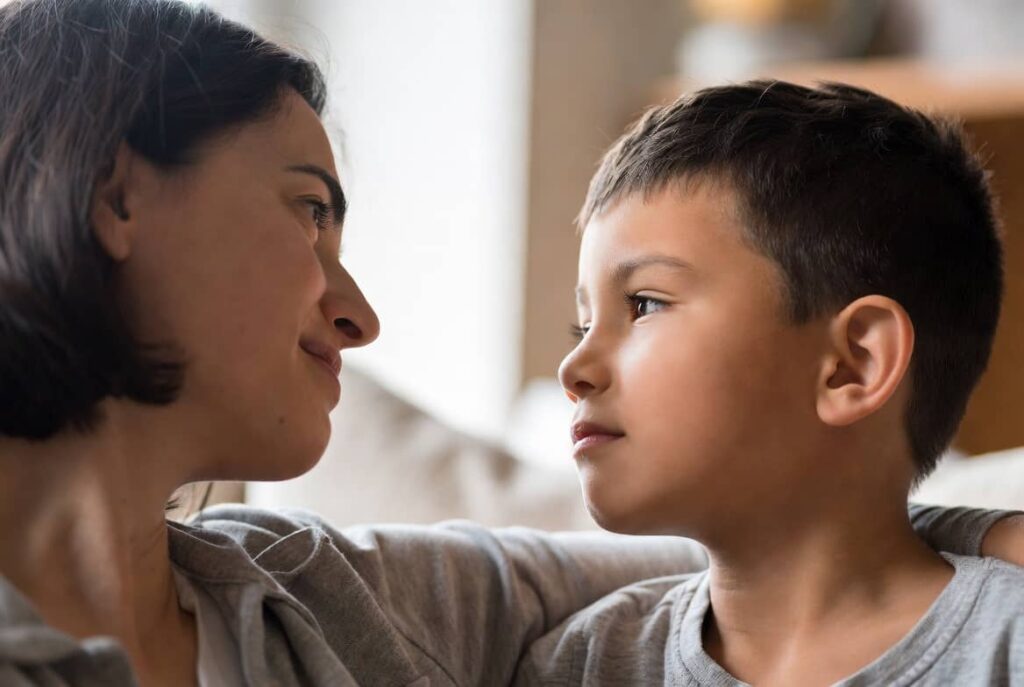
Mental health is the lens through which a child views the world and how they navigate all aspects of life from learning in school to making friends and facing challenges. When kids are wrestling with emotional difficulties, it can affect their concentration, confidence and ability to try new things.
NHS research, meanwhile, estimates that 1 in 6 children aged 5-16 in the UK experience a mental health problem. That amounts to about five children in every classroom. But many of those children never get the help they need, in large part because the signs are missed or parents don’t know where to turn.
Early intervention is key. When children receive the mental health support they need at the right time, it can help prevent difficulties from becoming more severe and enable children to develop coping strategies that will serve them into adulthood. You have not failed as a parent just because your child needs professional support. It means just arming them with what they need to navigate life’s challenges more successfully.Read more commentary: Do we love our children enough to do this?
How children express distressWhy is it difficult to recognize emotions in children? Instead of saying that they feel anxious or depressed, your child may show you how he feels based on changes in behavior. You know your child better than anyone, so follow your intuition if something doesn’t feel right.
Your child might be more prone to cry, seem more irritable or even angry than usual. They may experience sudden mood changes that do not appear to reflect the time or context in which they occur. Some kids start to be withdrawn and a little bit quiet, while others get clingy and don’t want you to get away. You may notice they are down in the dumps or worried a great deal of the time, or that they have lost interest in things that give them joy.
A change in behaviour can often be one of the most obvious signs that things are not right. It might be trouble sleeping or sleeping an unusual amount, changes in appetite or eating habits, not being able to concentrate or a drop in school performance. Some children might begin to refuse to attend school or have unwillingness to meet up with friends. Some could revert to habits that they had grown out of, like bed-wetting or sucking their thumb.
Emotional pain frequently manifests as physical pain. Worry or stress can sometimes be connected to so-called ‘unexplained’ frequent headaches, stomach aches or feeling unwell. If your GP cannot pinpoint the cause of recurring symptoms physically, it might be worth giving some thought to whether children’s emotional wellbeing might come into play.
Children can have many of the same mental health conditions as adults, but they can show different symptoms. Having some idea of what your child may be experiencing can help you react with understanding and identify the right level of help.
Anxiety is the most prevalent type of childhood mental health disorder. Some worry is a part of life, but anxiety becomes a problem when it’s so much that it interferes with daily activities. Kids with anxiety may have riveting fears of certain things, the dark or animals, getting separated from their parents. They may become consumed with excessive worry about school, friendships or what could possibly go wrong. Physical symptoms are also common, for example, a racing heart or sweating or feeling sick.
Depression is not the same in children as it is in adults. Children may not act sad, but may be irritable, angry or bored. They may lose an interest in playing, meanwhile withdraw from friends and loved ones or have thoughts about themselves that are constantly negative. Periods of sleep and appetite disturbances are not uncommon, and some children may say they feel worthless or hopeless.
Your children might be acting out their distress. This could be disobedience, aggression or avert from following rules. All children are boundary testers from time to time, but if your child’s behavioral problems have a serious impact on home life or school then there might be an underlying emotional need which is currently unmet.
As a parent, or carer, you can do a lot to help your child emotionally without even needing to seek professional support.
You prepare your child that it’s okay to discuss how they feel and that you will be there listening with an open mind. Seek to have regular, easy conversations, not just when something goes wrong. It can be easier to get children talking when eye contact is reduced, during activities like walking, drawing or at bedtime.
Those are not the moments to rush in and fix things or reassure your child that everything is okay. After all, you aren’t being asked to fix their feelings; you are instead being asked to validate them. Saying something as simple as “That sounds really hard” or, “I can see you are feeling worried,” helps children feel heard and seen.
Kids imitate how adults behave around them. “When you communicate about your own feelings in age-appropriate ways and model how to deal with stress, that sends a message to the child that emotions are normal and manageable,” said Jodi Aull Culpepper, the Kid Connection Counselor at Heartland Family Service.
Predictable routines allow children to feel safe and secure. Scheduled meal and bed times and family activities are great ways to offer some organization that’s grounding when your child is experiencing stress or transitioning into a new situation. For further advice on helping young people through difficult times see our article on how to help teens dealing with exam stress for practical tips here.
Most childhood emotional problems are transient and with a little time and support from parents they will be overcome, however on occasions interventions other than those delivered by the general practitioner may become necessary. Think about getting child therapy or counselling if your kids struggles go on for some weeks with no relief, it’s impacting their life school/day to day and relationships, they voice thoughts of harm or hopelessness and you’re struggling and don’t know what else to do.
I personally experienced this flaw and overcame it successfully through the assistance of professionals. It is a good sign that you care about your child and are focused on what’s best for him. Our primer on what to expect in a first therapy session for kids can help you and your child feel more ready.
Therapists provide child therapy services tailored for young individuals. Child therapy is quite different from therapy for adults who talk and process verbally -it often includes play, art and other creative activities that allow children to communicate more naturally.
A licensed child psychologist provides a safe, private environment for your child to address his or her feelings when they are ready. They work with developmentally appropriate methods to help kids understand their feelings, learn how to cope and improve self-confidence. The therapist will also collaborate with parents to offer you tips and suggestions to support your child at home.
At our Hampstead practice we have expert therapists who focus on working with kids and young people. We know that every child is different and we get to know your child and what they are going through, in order to suggest how we can help.
While searching for the perfect services to help your child can be overwhelming, you don’t need to go on this alone. In Hampstead and North London more largely, we are fortunate to have good childrens mental health support services available to families, even in our practice where were able to help West Hampstead, Belsize Park, Highgate, Golders Green, East Finchley Muswell Hill and Crouch End.
Opting for a local therapist ensures your child can access help near home, so attendance for sessions is convenient and regular. It also means the therapist knows the local community and what kind of pressures children in this area are apt to be facing. If you’re not sure how to find a good fit, our piece on finding the right therapist provides advice that can help.
Children as young as three or four can benefit from therapeutic support, though the approach will be very different from adult therapy. Play therapy and creative techniques allow even young children to express and process their emotions. Older children and teenagers often engage well with talking therapies adapted for their developmental stage.
Keep it simple and positive. You might say something like “This is someone who helps children with big feelings” or “We are going to see someone who is really good at helping with worries.” Reassure them that therapy is nothing to be scared of and that many children find it helpful.
Therapy is confidential, and information will only be shared with the school if you give permission. In some cases, working with the school can be helpful, but this is always discussed with you first. Your child’s privacy is always respected.
The length of therapy varies depending on the child and the nature of their difficulties. Some children benefit from just a few sessions, while others may need longer-term support. Your therapist will discuss expectations with you and review progress regularly.
Absolutely. Parental involvement is often an important part of supporting a child’s progress. Depending on the child’s age and the therapeutic approach, this might include regular updates, parent sessions, or family therapy. The therapist will discuss what will work best for your situation.
It is not unusual for children to feel nervous or resistant initially. A good therapist will work to build trust and make sessions feel comfortable. Often, once children realise that therapy is a safe space where they can express themselves, they become more willing to engage. Our team is experienced in helping reluctant children feel at ease.
Taking the First Step
If you are concerned about your child’s mental health, reaching out for support is the most important step you can take. Whether your child is struggling with anxiety, showing signs of depression, having behavioural difficulties, or simply going through a difficult time, professional support can make a real difference.
At Mandi Simons Counselling and Psychotherapy in Hampstead, we offer compassionate, professional support for children and families across North London. Our experienced therapists understand the unique challenges children face and are here to help your child build the emotional skills they need to thrive. Contact us today to book a free consultation and take the first step towards supporting your child’s wellbeing.